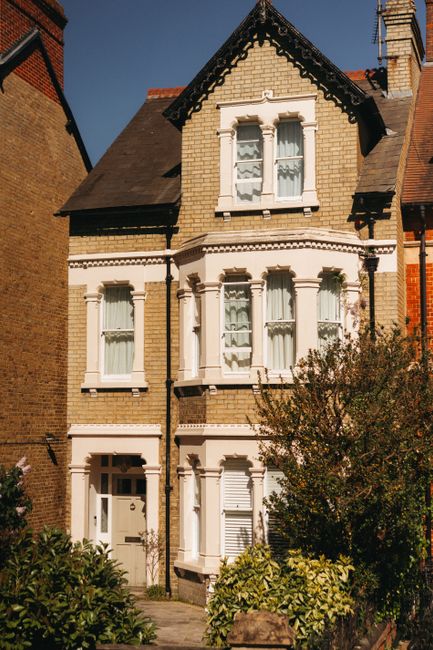
Clapham Common Removals Guide for House Moves
Moving home around Clapham Common can feel straightforward on paper and a bit chaotic in real life. The streets are busy, the parking can be tight, and the difference between a smooth move and a stressful one often comes down to planning. This Clapham Common removals guide for house moves is designed to help you get organised, avoid the usual headaches, and make sensible choices whether you are moving from a flat, a terraced house, or a larger family home nearby.
In the next sections, you will find practical advice on how local removals tend to work, what to prepare before moving day, which choices suit different households, and how to reduce delays when you are dealing with London logistics. We will also cover packing, access, storage, insurance, and a few local realities that people only learn the hard way. Let's make the whole thing feel a lot less overwhelming.
Why Clapham Common removals guide for house moves Matters
Clapham Common is a brilliant place to live, but moving here has its own quirks. You are dealing with a mix of residential streets, busy local traffic, school runs, weekend footfall, and plenty of properties with access that looks easier than it is. If you have ever tried manoeuvring a large sofa around a narrow stairwell while someone is waiting to park behind you, you will know the feeling. Not ideal.
A good removals plan matters because it reduces the things that usually go wrong: missed parking, late arrivals, damaged furniture, forgotten keys, and boxes that arrive in the wrong room. It also matters if you are moving on a tight schedule. In Clapham, small delays tend to snowball quickly, especially if your move depends on someone else vacating a property first.
This is where a local-first approach helps. A move near the Common is rarely just about lifting boxes. It is about timing, access, vehicle size, packing quality, and knowing when a larger removal company is overkill and when a flexible man and van service in Clapham makes the day much easier. Truth be told, the best move is usually the one you barely notice while it is happening.
How Clapham Common removals guide for house moves Works
At its simplest, a house move near Clapham Common follows a clear sequence: survey the load, plan access, pack properly, load safely, transport efficiently, and unload in an organised way. The detail is what makes the difference. A good mover will not just turn up with a van and hope for the best.
Usually, the process starts with an estimate or a brief assessment of what needs moving. That might be a quick call, photos, or a more detailed inventory if you are shifting a full household. The next step is deciding on the right vehicle and crew size. For smaller houses or shorter local moves, a compact van and a couple of movers can be plenty. For larger family homes, awkward furniture, or multiple trips, a broader removal plan is often the safer call.
Then comes access planning. Around Clapham Common, that can mean checking stair width, lift availability, front-door clearance, and where the van can stop without causing a fuss. Parking is rarely something to leave until the morning of the move. If the van cannot park close enough, every extra metre becomes another carry. Multiply that by a fridge, a mattress, and a few dozen boxes, and suddenly lunch is late.
It also helps to think about the type of property. A move from a top-floor flat is different from a ground-floor maisonette or a terraced house with a rear extension. If your home has bulky items or delicate pieces, you may also want specialist support such as furniture removals in Clapham for safe handling and loading.
Key Benefits and Practical Advantages
There are a few clear reasons people choose a structured local removals plan rather than improvising on the day.
- Less stress: You know what is happening, when it is happening, and who is handling each part.
- Better protection for your belongings: Proper packing and lifting methods reduce accidental damage.
- Improved timing: A move that is planned around local access is less likely to run late.
- More suitable vehicle choice: You avoid paying for a van that is too large or suffering because it is too small.
- Lower risk of neighbour issues: Cleaner loading, shorter curbside stops, and less blocking make life easier for everyone nearby.
There is also a practical benefit people sometimes overlook: a good move gives you a better start in the new place. If the beds are assembled, the kettle is reachable, and the essentials are easy to find, your first evening feels like a reset instead of a survival exercise.
And yes, moving day is still moving day. It will probably involve a bit of dust, a few boxes that weigh more than they should, and one drawer full of random chargers. But the right setup keeps it manageable.
Who This Is For and When It Makes Sense
This guide is useful if you are moving into or out of the Clapham Common area and want a calmer process. It is especially relevant for:
- homeowners moving from a house near the Common
- tenants relocating from a flat or maisonette
- first-time movers who need the process explained in plain English
- families moving with lots of furniture and children's items
- students or sharers who want a simple, cost-conscious move
- anyone with a tight completion window or same-week move
It also makes sense if you are comparing different removal options and trying to work out whether you need a full crew, a van with driver, or something in between. If you are moving from a smaller property, you might find flat removals in Clapham more relevant than a bigger-scale house move service. If the move is more urgent than planned, local same day removals in Clapham can be the difference between panic and a workable solution.
Sometimes people think removals only matter on the final day. In reality, the smartest moves are decided a week or two before, while there is still time to sort the small stuff. That is where the real savings are hidden.
Step-by-Step Guidance
Here is a sensible way to manage a house move around Clapham Common without overcomplicating it.
1. Start with a realistic inventory
Walk through every room and list the larger items first. Beds, wardrobes, sofas, white goods, desks, tables, mirrors, and anything awkwardly shaped should go on the list before the smaller boxes. If you are likely to forget something, it is probably in the loft, the shed, or that one cupboard everyone avoids. Funny how that works.
2. Separate what is moving, storing, donating, or recycling
The less unnecessary clutter you move, the easier the day becomes. If you need temporary overflow space, look at storage in Clapham. If you are clearing out items responsibly, it is worth checking a provider's approach to recycling and sustainability so you are not just passing the problem along.
3. Measure access points
Doorways, staircases, lifts, hallways, and landings all matter. A sofa that "definitely fits" often doesn't fit once you add the bend at the stairs. Measure carefully, and if possible, take a couple of phone photos. It saves awkwardness later. Not glamorous, but useful.
4. Book the right moving help
Match the service to the job. For smaller or medium-sized moves, a flexible vehicle may be enough. For larger houses, multiple rooms, or long loading times, a more structured removal team is usually better. If you are comparing options, take a look at the wider services overview and the different types of removal services in Clapham available.
5. Pack in a room-by-room way
Label boxes clearly with both the room and a short contents note. "Kitchen - mugs and kettle" is much better than "misc". You will thank yourself later at 9:30 p.m. when you want tea and cannot face a treasure hunt.
6. Prepare a moving-day essentials bag
Put passports, chargers, medication, keys, snacks, tape, bin bags, and basic cleaning supplies somewhere easy to reach. Keep one box for overnight essentials and do not let it disappear onto the van by accident.
7. Confirm arrival and parking details
Double-check the move time, property access, and where the vehicle can stop. If parking is tight, you want that sorted before the van arrives. Simple, but it saves a surprising amount of stress.
8. Unload with a plan
Ask for boxes to go straight to the right rooms. It sounds basic, though the payoff is huge. If you can get the beds, kettle, and one bathroom usable on day one, everything else feels easier.
Expert Tips for Better Results
After seeing how local moves unfold, a few patterns stand out.
Tip 1: keep fragile items separate from general packing. Glassware, artwork, lamps, and electronics deserve their own boxes and a little extra padding. Mixing them with books is asking for trouble.
Tip 2: avoid overfilling medium boxes. People do this all the time. A box of books becomes unliftable, then someone strains their back, then the whole schedule slows down. Use smaller boxes for heavy items. Boring advice, but it works.
Tip 3: protect floors and corners. Hallway scuffs are easy to cause and annoying to repair. In older houses especially, narrow turns can catch a wardrobe edge or chip paint. A little protection goes a long way.
Tip 4: keep children and pets out of the main loading path. You do not need a whippet weaving through stacked boxes or a toddler carrying half a packet of biscuits through the front hall. It happens more than you might think.
Tip 5: book packing support if time is tight. If you are short on time, professional packing and boxes in Clapham can make a big difference. It is often the part people underestimate until they are knee-deep in wrapping paper at midnight.
If you want a more complete idea of what to expect from a local move, it can also help to read up on house removals in Clapham and the range of removal companies in Clapham available to households with different budgets and timelines.
Common Mistakes to Avoid
Most moving disasters are not dramatic. They are small mistakes that pile up.
- Leaving packing too late. The last 24 hours before a move are never a good time to discover you own more kitchenware than expected.
- Forgetting about parking or access. A van parked two streets away is a lot less convenient than one parked outside the property.
- Underestimating how long loading takes. Stairs, lifts, long hallways, and awkward furniture all slow things down.
- Using weak boxes. If the bottom gives way halfway up the stairs, that is a mess nobody needs.
- Not protecting valuables separately. Keep documents, jewellery, and sensitive items with you rather than on the van.
- Choosing the wrong service size. Too small and the day drags on; too large and you may pay for capacity you do not need.
One more thing: don't assume every item can be dismantled or lifted the same way. A lot of damage happens because somebody tried to force a solution rather than stop and assess the shape of the furniture. Slight pause, think first. That helps.
Tools, Resources and Recommendations
You do not need a warehouse of specialist kit to move well, but a few basics make a big difference.
- Strong boxes: Use decent-quality cardboard boxes in a few sizes.
- Packing tape: More than you think. It always disappears faster than expected.
- Marker pens and labels: Room labels, contents notes, and "fragile" markings where needed.
- Bubble wrap or wrapping paper: Good for glass, ornaments, and corners.
- Furniture blankets: Helpful for protecting wood and upholstery.
- Tools bag: Allen keys, screwdrivers, tape measure, and spare batteries.
- Checklists: Old-fashioned, yes, but still one of the best ways to keep calm.
If you are still deciding how much help you need, it is worth reading about man with a van options in Clapham, the practical differences between man and van support and more comprehensive moving setups, and what a suitable removal van in Clapham can handle.
For cost planning, take a careful look at pricing and quotes. Transparent quotes are usually easier to compare than vague estimates that hide extra charges in the fine print. Nobody enjoys surprises on moving day, except maybe the cat, and even then only briefly.
Law, Compliance, Standards, or Best Practice
House moves in London are not heavily regulated in the everyday sense, but there are still important standards and best practices worth following. You should always expect movers to handle items safely, communicate clearly, and use sensible lifting and loading methods. For customers, the main responsibility is usually to provide accurate information about access, parking, and any particularly difficult items.
If a moving company mentions insurance, make sure you understand what that covers and what it does not. It is common for removals providers to set out exclusions, packing responsibilities, and liability terms in their own paperwork. Reading that early is not thrilling, but it is much better than discovering a gap after something breaks. The same goes for terms and conditions, payment information, and safety guidance.
It is also good practice to choose a company that can explain its approach to insurance and safety, works in line with clear health and safety policies, and is open about payment handling through payment and security information. If you have concerns about service standards, complaints handling, or data use, those pages should be easy to find and easy to understand. That is a decent trust signal in itself.
Options, Methods, or Comparison Table
Different homes and timelines call for different moving approaches. Here is a simple comparison to help you think it through.
| Option | Best for | Strengths | Watch-outs |
|---|---|---|---|
| DIY move | Very small loads, short distances, minimal furniture | Can be cheaper upfront, full control | Time-consuming, physically demanding, higher risk of damage or delay |
| Man and van | Studio flats, smaller houses, local moves | Flexible, often good for quick scheduling, practical for Clapham streets | May need more than one trip for larger homes |
| Full removal team | Family homes, bulky furniture, complex access | More support, better for larger inventories, less strain on you | Usually higher cost than a simple van hire |
| Storage plus move | Staggered completions, decluttering, temporary gaps between homes | Helpful when dates do not line up neatly | Extra planning required; storage adds another step |
For many Clapham Common households, the sweet spot is a flexible moving setup with enough manpower to handle stairs, awkward corners, and decent-sized furniture. A small move can be overcomplicated very easily; a large move can be under-resourced just as fast. The right answer is usually somewhere in the middle.
Case Study or Real-World Example
Consider a fairly typical Clapham move: a couple leaving a two-bedroom flat near the Common and moving into a terraced house a short distance away. They have a sofa, two beds, a dining table, several heavy boxes of books, and a handful of fragile kitchen items. Nothing outrageous. But there is one catch: parking is tight at both ends, and the flat is on the second floor.
They start by sorting items into keep, store, donate, and recycle piles. A few bulky pieces go into temporary storage because the new house needs decorating first. That immediately reduces the load. They book a local moving setup that matches the property size, confirm the best parking point, and pack the fragile items separately.
On the day, the movers arrive with a plan rather than a guess. The heavy furniture is protected, the boxes are labelled by room, and the unloading is done in the order the couple requested. The move still takes effort, of course. Moving house always does. But instead of the day turning into a scramble, it stays organised enough that they are drinking tea before the boxes are fully unpacked.
That is usually the pattern with good removals: not magic, just fewer avoidable problems. Sometimes that is all you need.
Practical Checklist
Use this checklist in the final days before your move.
- Confirm moving date, arrival time, and access details
- Check parking space and loading point at both addresses
- Measure large furniture and tight corners
- Sort items into keep, store, donate, and recycle
- Order enough boxes, tape, and packing materials
- Pack an essentials bag for the first 24 hours
- Label boxes by room and content type
- Protect fragile items separately
- Disassemble furniture where practical
- Keep keys, documents, and valuables with you
- Notify your chosen mover about stairs, lifts, and awkward access
- Prepare a simple cleaning kit for the old property
Expert summary: if you do three things well, do these: plan access, pack clearly, and choose the right moving help for the size of your home. Those three choices solve a lot more than people expect.
Get a free quote today and see how much you can save.
Conclusion
A house move around Clapham Common does not have to feel like a logistical drama. With a clear plan, the right vehicle or team, sensible packing, and a little attention to parking and access, the whole process becomes much easier to manage. That is really the heart of this guide: reduce guesswork, keep the load under control, and make the moving day feel like a task rather than a crisis.
If you are comparing options, start with your property type, the amount of furniture you have, and how much time you can realistically give the move. From there, the best choice usually becomes obvious. And if it does not, that is fine too. A good removals plan is meant to make life simpler, not more complicated. One step at a time, honestly.
The key is to begin early enough that you still have choices. That alone changes everything.
Frequently Asked Questions
What is the best removals option for a house move near Clapham Common?
It depends on the size of your home and how much furniture you are moving. Smaller loads often suit a man and van, while larger homes usually benefit from a fuller removal team.
How far in advance should I book a removal service in Clapham Common?
As early as you can, especially if you are moving at the weekend or near month-end. Those dates fill quickly and the best planning usually happens before the moving week starts.
Do I need parking arranged for moving day?
Yes, ideally. Local parking and loading space can make a big difference to timing and safety. A van parked close to the property saves a lot of carrying.
Is a man and van service enough for a family house move?
Sometimes, but not always. If you have multiple bedrooms, bulky furniture, or stairs, you may need more support than a basic van can offer.
What should I pack myself before movers arrive?
Personal documents, valuables, medication, chargers, and an essentials bag should stay under your control. It is also sensible to have your most important items packed and clearly labelled.
How can I reduce the cost of moving house?
Declutter before moving, pack well in advance, separate items for storage or recycling, and choose a service that matches your actual load. Paying for the right size of move is usually better than overbuying capacity.
What if I need to move at very short notice?
Short-notice moves can still be handled, but you need to stay flexible. Look for same-day or urgent options and be ready with accurate access and inventory details.
Should I dismantle furniture before moving?
Where practical, yes. Beds, tables, and some wardrobes are easier to transport in pieces. Just keep the fixings together in labelled bags so reassembly is not a guessing game.
How do I know if I need storage as part of my move?
If your move-out and move-in dates do not line up neatly, or if you need to declutter before settling in, storage can be very useful. It is also handy for bulky items that do not need to move immediately.
What should I look for in a trustworthy removals company?
Clear pricing, sensible communication, useful safety information, straightforward payment details, and a service that asks practical questions about access and furniture. That is usually a good sign.
Can removals help with fragile or awkward items?
Yes, as long as the mover knows about them in advance. Large mirrors, artwork, pianos, and delicate furniture often need special handling or dedicated services.
What is the biggest mistake people make when moving house?
Leaving too much to the last minute. That single habit creates most of the stress, from poor packing to missed access details to items being forgotten in odd places.
Moving day can be tiring, sure, but it can also be a fresh start with a bit of calm built in. That is a nice feeling when you finally shut the door behind the last box.