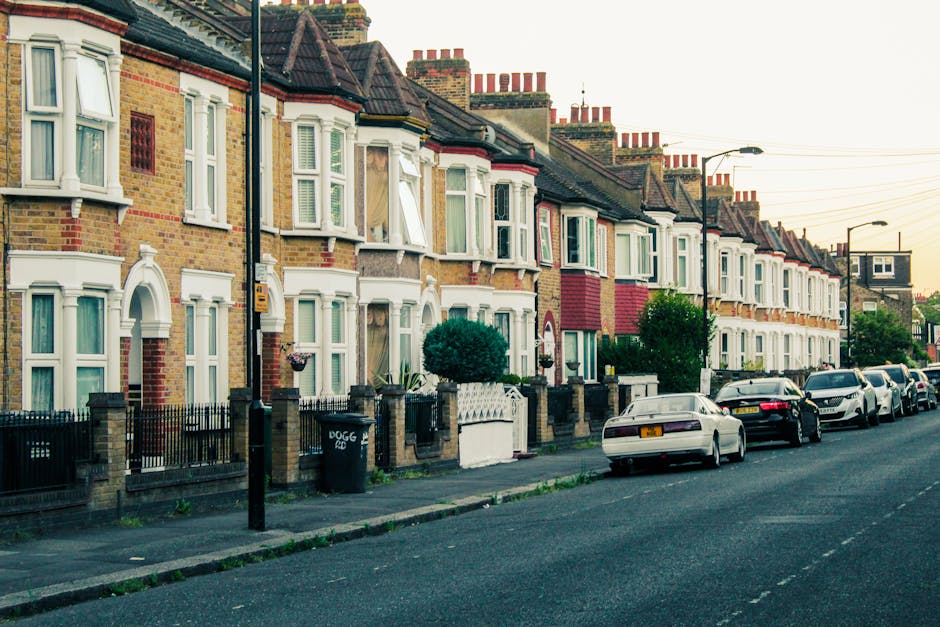
Clapham Old Town furniture removals and parking advice
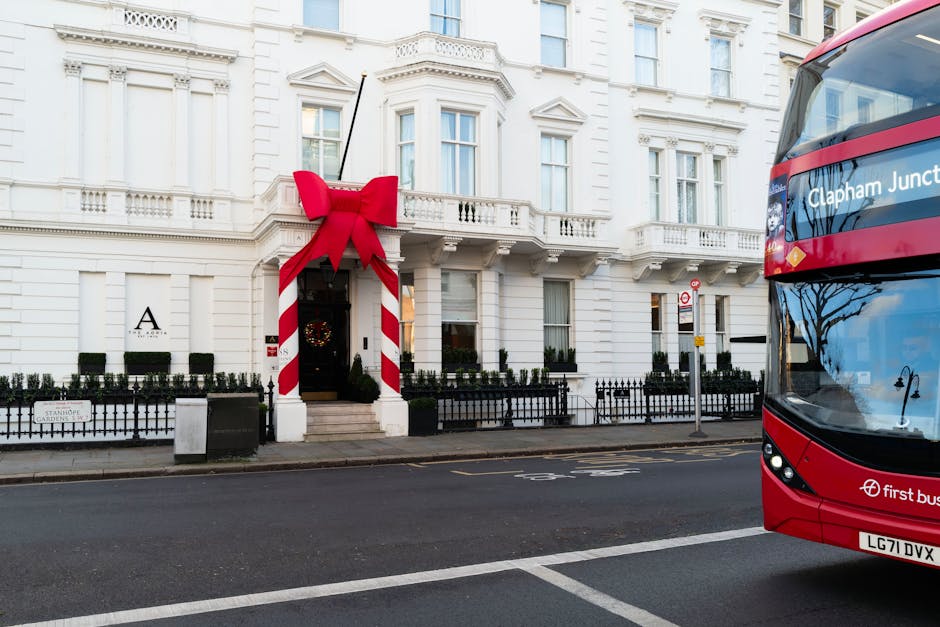
Moving furniture in Clapham Old Town looks straightforward until you're trying to reverse a van onto a busy street, avoid blocking residents, and get a sofa through a narrow hallway without scraping a wall. That's where good Clapham Old Town furniture removals and parking advice really pays off. If you plan the vehicle, loading point, access route, and timing properly, the whole move feels calmer, faster, and far less stressful. To be fair, most moving problems aren't caused by the furniture itself - they start with parking, access, and rushed decisions.
In this guide, you'll get a practical, local-minded overview of how furniture removals work in Clapham Old Town, what to think about before the van arrives, and how to avoid the common snags that catch people out. We'll cover parking strategy, loading methods, compliance basics, real-world mistakes, and the sort of planning that keeps everyone sane on moving day.
Why Clapham Old Town furniture removals and parking advice Matters
Clapham Old Town has the kind of streets that can make a furniture move feel deceptively simple. Some roads are busy and tight, some are lined with parked cars, and some have awkward turning space that only becomes obvious when you're halfway into a manoeuvre. If the van can't stop close enough to the property, every item gets harder to move. A short carrying distance is a gift; a long one in rain, traffic, or rush-hour footfall is not.
That's why parking advice is not a side issue. It's central to the move. You're not just arranging a vehicle - you're arranging access, timing, and a safe loading point. When those parts are right, a chest of drawers, dining table, mattress, or fragile cabinet can be moved efficiently. When they're wrong, the day starts to unravel. I've seen people spend more time repositioning the van than actually moving furniture. Nobody enjoys that.
There's also the neighbour factor. In a dense London area, a poorly parked van can block a drive, squeeze pedestrians, or slow down traffic. That creates tension fast. A bit of planning helps you stay considerate, keep the move moving, and reduce the chances of complaints or delays. It's good manners, yes, but it's also operationally smart.
If you're comparing removal help in the area, it's worth looking at broader service options too. For some jobs, a simple man with van arrangement is enough. For bigger house moves, you may need a more structured team such as house removals or even removal services. The right choice depends on volume, access, and how much lifting you want to handle yourself.
How Clapham Old Town furniture removals and parking advice Works
At a practical level, the process has three moving parts: the furniture, the vehicle, and the parking plan. Each one affects the others. A heavy wardrobe needs more space to load, more care to handle, and a better parking position than a stack of lightweight boxes. If your van arrives too early and has nowhere to stand, the driver may have to circle the block. If it arrives too late, you may lose daylight, momentum, or parking luck. Sounds obvious, but that's where a lot of moves wobble.
The first step is understanding the access at both ends. Ask yourself: can a van stop close to the front door? Is there a one-way system, a narrow turning point, or a school-run bottleneck nearby? Is there a lift, or are you facing stairs? Are there items that need dismantling to pass through the hall? These details shape the route, the timing, and the kind of vehicle that makes sense.
The second step is loading logic. Furniture should be loaded in a way that protects corners, balances weight, and leaves enough space for delicate items. Sofas, tables, and beds usually need different handling than cabinets or white goods. Good movers will think in terms of order: largest items first, fragile pieces protected and separated, and loose items secured so they do not slide around on the journey.
The third step is parking discipline. In Clapham Old Town, that means aiming for a legal, safe, and workable stopping point rather than trying to squeeze into the first patch of road you see. If a loading bay is available, great. If not, the van may need a short stay in a place that allows safe access without causing obstruction. It's sensible to check local restrictions in advance and build a small buffer into the schedule. Parking in London is rarely "just park there and hope for the best".
If you're using a team for a domestic move, you might also find value in home moves or house movers depending on the scale of the job. These services make the most sense when you want someone who understands both handling and access, not just transport.
Key Benefits and Practical Advantages
Getting the furniture removals and parking plan right gives you a chain of small advantages that add up quickly. The move tends to be faster, safer, and less tiring. You spend less time carrying heavy items from the road to the property, and less time standing around wondering where the van can legally wait. There's a quiet kind of relief in that. You notice it as soon as the first sofa comes out smoothly.
- Shorter carry distance: less strain on people and furniture, and fewer opportunities for damage.
- Less disruption: a better parking position reduces friction with neighbours and passing traffic.
- Safer handling: fewer awkward lifts, fewer rushed turns, fewer chances to clip a wall or stair rail.
- Better time control: planning avoids delays from hunting for parking or repeatedly moving the vehicle.
- Cleaner workflow: the team can focus on lifting and packing rather than logistics on the fly.
There's also a financial side, even if you're not thinking about it in pounds and pence while you're wrapping a lamp. Efficient parking and access can reduce wasted labour time. That can help if you're comparing quotes from different providers. If you want to sense-check pricing, the page on pricing and quotes is a useful starting point.
Another advantage is that a sensible plan lowers the chance of last-minute extras. Fewer delays, fewer handling complications, fewer surprise trips because the van couldn't fit everything first time. Truth be told, a lot of moving costs come from poor preparation rather than the move itself.
Who This Is For and When It Makes Sense
This topic matters to a lot of people, not just those moving house. In Clapham Old Town, it's relevant to anyone shifting furniture between flats, houses, storage, offices, or rental properties. It also helps if you're buying one or two second-hand items and want a safe, neat collection without creating a parking drama on a busy street.
You'll particularly benefit from this advice if:
- you live on or near a narrower residential road;
- you're moving from a flat with limited lift or stair access;
- you have bulky furniture like beds, wardrobes, sofas, or dining tables;
- you need a time-sensitive collection or drop-off;
- you're new to London and not yet familiar with local parking patterns;
- you'd prefer a more hands-off move with practical support.
For business customers, the same logic applies to desks, filing units, office chairs, and meeting-room furniture. A planned stop and clear load order can make a commercial move much more manageable. If that sounds like your situation, commercial moves and office removals may be more suitable than a bare-bones transport booking.
And if you only need one or two pieces moved, the simpler solution can be better. Sometimes a focused furniture pick up is exactly what you need. Not every job has to be a full-scale removal operation. That's one of the nice things about it, actually.
Step-by-Step Guidance
Here's a practical way to organise a furniture move in Clapham Old Town without losing your footing halfway through.
- List every item to be moved. Include dimensions where you can. A sofa that "looks fine" may still be too long for a landing bend or too awkward for a small van.
- Check access at both addresses. Note stairs, lifts, doorway width, tight corners, front garden walls, and anything that makes carrying harder.
- Decide the parking strategy. Identify where the vehicle is most likely to stop safely and legally. Build a backup plan in case the first choice is taken.
- Choose the right vehicle size. Too small and you'll need multiple trips; too large and parking becomes harder than necessary.
- Pack and protect furniture properly. Use blankets, covers, straps, and suitable wrapping for edges and glass.
- Load in the right order. Put the heaviest and sturdiest items in first, then layer in lighter pieces and delicate items.
- Keep essentials separate. Tools, keys, chargers, kettle stuff, and the one box everyone needs straight away should not be buried under a mattress.
- Confirm timing. Leave breathing room for traffic, finding the stop point, and any short wait for access.
- Walk through the destination before unloading. That avoids the classic "where does this actually go?" moment. We've all been there.
If you're doing the packing too, it can help to combine the move with packing and unpacking services. That is especially useful when furniture is only one part of a larger relocation and you don't want the whole weekend swallowed by cardboard and tape.
A simple planning note can save a lot of stress: write down the road name, parking spot option, contact details, and any access instructions in one place. It sounds almost too basic to mention, but basics are what keep moving day tidy.
Expert Tips for Better Results
Good furniture removals in a tight London area are usually won by the details. Here are a few things that make a real difference.
Keep the van close, but not careless. The aim is to reduce carrying distance while still leaving enough room for pedestrians, traffic, and loading safety. A van parked awkwardly can create more problems than it solves.
Use a measured loading order. Start with larger furniture that creates the structure for the rest of the load. Then fill spaces with softer items. This helps prevent shifting during transit, which is one of those small things that becomes annoying very quickly.
Disassemble where it genuinely helps. Not every item needs to come apart, but some do. Table legs, bed frames, and modular shelving often move better in pieces. If the item has hidden fixings or awkward weight, dismantling can save your back and your wall paint.
Think about street timing. Early morning often feels calmer for loading, while later periods may be busier with residents, deliveries, and general London noise. You can almost hear the bin lorries and scooters starting up. That matters more than people expect.
Protect the building as much as the furniture. Door frames, stair corners, and hallway walls are vulnerable. Blankets, corner guards, and a slow first pass through the property help reduce scuffs.
Have a plan for the unexpected. A parked car, a delivery van, or a sudden access issue can change the day. A little flexibility beats panic every time. Honestly, one calm decision is worth ten rushed ones.
For some people, the best solution is to use a van and a mover who understands both handling and road conditions. If that sounds right, man and van or man and van removals can be a practical middle ground between DIY and a larger removal setup.
Common Mistakes to Avoid
The same mistakes come up again and again in local moves. A few are harmless. Others can waste an hour before the first sofa even moves.
- Assuming parking will sort itself out. It rarely does. A good parking plan is part of the job, not an optional extra.
- Choosing a van that is too large. Bigger is not always better in a compact street.
- Forgetting to measure doorways and landings. That lovely sideboard might be lovely right up until it meets the stair turn.
- Leaving packing until the morning. Nothing turns calm into chaos faster than last-minute wrapping.
- Not separating fragile items. One misplaced box can damage glass, lamps, or ornaments.
- Ignoring the return journey. If the van needs to come back for a second load, you may need to think about parking twice, not once.
- Not checking building rules. Some blocks have access windows, lift booking requirements, or specific moving arrangements.
The sneaky one is overconfidence. People often think, "It's only a few items." Then the wardrobe appears. Then the mirror. Then the dining chairs. Then the van starts looking smaller than it did ten minutes ago. Funny how that happens.
Tools, Resources and Recommendations
You do not need specialist kit for every move, but a few tools make things much easier. Think of this as the practical kit list that keeps a furniture move from becoming a bruised-ankle episode.
- Furniture blankets or protective covers for wood, leather, and painted surfaces.
- Ratchet straps or tie-downs to stop items shifting in transit.
- Tape and labels for keeping boxes organised and identifying delicate contents.
- Measuring tape for doorways, hallways, and awkward pieces.
- Protective gloves for grip and hand safety during lifting.
- Floor runners or old sheets to protect corridors and door thresholds.
- Basic tools such as screwdrivers or an Allen key set for dismantling furniture.
It also helps to work with a removal provider that takes safety and handling seriously. You can review the approach on health and safety policy and the practical protections outlined in insurance and safety. Those pages are useful if you want reassurance about how the move is handled, not just how much it costs.
For customers who care about what happens after the move, sustainability can matter too. If you're clearing furniture, refreshing a room, or disposing of unwanted pieces responsibly, recycling and sustainability is worth a look. Small decisions can reduce waste, and that's a decent outcome all round.
Law, Compliance, Standards, or Best Practice
Furniture removals in London are practical jobs, but they still sit inside a framework of normal UK road, parking, and safety expectations. You do not need to become a legal expert to move a sofa, thankfully. Still, a few best-practice points matter.
First, parking should be lawful and considerate. That means looking out for restrictions, avoiding dangerous obstruction, and being careful around dropped kerbs, driveways, crossings, and narrow carriageways. If loading bays or permit rules apply, they should be followed rather than guessed at. If in doubt, check before the van is on the road. Late assumptions are expensive.
Second, the physical handling of furniture should be sensible and safe. Items should be lifted in a way that reduces strain, with enough people for awkward or heavy pieces. Safe manual handling is not glamorous, but it is absolutely the thing that keeps the day from becoming miserable. A rushed lift is where many injuries start.
Third, reputable removal operators should be clear about terms, payment, and responsibilities. If you want to know how booking and payment are handled, the pages on payment and security and terms and conditions are useful. They help set expectations before anyone starts lifting.
Finally, communication matters. If there is a narrow access route, a basement flat, a timed loading period, or a large item that needs extra care, say so early. It sounds simple because it is simple. And yet people skip it all the time.
Options, Methods, or Comparison Table
Not every furniture move in Clapham Old Town needs the same level of support. Here's a straightforward comparison to help you choose the right approach.
| Option | Best for | Parking/access advantage | Trade-off |
|---|---|---|---|
| DIY van hire | Confident movers with light to moderate loads | Full control over timing and stopping point | You handle lifting, planning, and risk yourself |
| Man and van | Smaller moves, single items, quick collections | Flexible for tight streets and short loading periods | Less support for large or complex loads |
| House removals | Full-property moves and larger furniture sets | More structured approach to access and loading | Usually more involved to arrange |
| Removal services with packing help | Busy households, fragile items, time-poor customers | Improved planning, less day-of chaos | Higher level of service than a basic pickup |
If you're moving a mix of furniture and household items, a more complete service can reduce pressure. Many customers like the simplicity of a removal company or a broader removals service because it keeps the logistics under one roof.
For larger vehicles or heavier loads, it can also help to compare moving van and moving truck options, especially if parking space is tight or the access route is awkward. The best fit is rarely the biggest vehicle - it's the one that matches the road and the job.
Case Study or Real-World Example
A recent-style local scenario goes like this. A couple moving out of a flat near Clapham Old Town had a sofa, bed frame, bookcase, dining table, and a box of kitchen equipment. The street outside looked manageable at first glance, but one side was heavily parked and the other had a steady stream of residents heading out for the morning. The first instinct was to stop wherever there was space. Good idea? Not really.
Instead, they planned a short loading window, measured the larger furniture before the day, and agreed which items would go first. The van stopped as close as possible without blocking access, and the team carried the biggest pieces first while the flat was still clear. The bed frame came apart in advance. The dining table legs were removed. Fragile items stayed separate. Simple enough, but the difference was huge.
The result was an orderly move with fewer trips, fewer scuffs, and no frantic reshuffling because the van was too far away. One small thing stood out: the whole job felt calmer because the parking plan had been thought through. That's usually the pattern. The boring prep is what saves the day.
If the move had been larger, they might have needed a fuller home relocation setup or even house removalists. The point is not that every move needs more service. The point is that the access and parking problem should decide the service, not wishful thinking.
Practical Checklist
Use this checklist before moving day. It's the kind of thing that looks over-cautious until you realise how much smoother the day becomes.
- Measure large furniture items and note awkward shapes.
- Check stairs, lift access, doorway widths, and hall bends.
- Decide where the vehicle can stop safely and legally.
- Allow extra time for parking, loading, and traffic.
- Separate fragile items and label them clearly.
- Protect furniture with blankets, covers, or wrapping.
- Disassemble items that will clearly move better in parts.
- Keep essential tools, documents, and personal items easy to reach.
- Tell the mover about any access limits, timed entry, or special instructions.
- Confirm the booking, payment details, and any service terms in advance.
- Prepare a backup parking option if the street is busy.
- Walk the route from van to property before unloading begins.
If you're still comparing options after ticking those boxes, it may be worth looking at the broader service range, including removals near me and man with van removal for local, flexible help.
Conclusion
Clapham Old Town furniture removals and parking advice is really about one thing: making a busy, physical job feel manageable. When you plan the parking, think through access, and match the vehicle to the street, the move becomes quicker and safer straight away. That applies whether you're shifting one piece of furniture or handling a full household load.
The most useful moves are rarely the most complicated. They're the well-prepared ones. A bit of measuring, a sensible parking plan, and the right support can save you from a long, tiring day and a fair bit of avoidable stress.
Get a free quote today and see how much you can save.
And if you want a team that understands the practical side of moving in and around Clapham, you can learn more about the people behind the service on about us or get in touch through contact us. Sometimes the best move is the one that starts with a calm conversation.
Frequently Asked Questions
What is the best parking plan for furniture removals in Clapham Old Town?
The best plan is the one that gets the van close to the property without causing obstruction or risking a parking issue. Check road width, nearby restrictions, and any loading-only options before move day. A backup spot is smart too.
Do I need a big van for a few pieces of furniture?
Not always. A smaller van can be easier to park and may be more practical in narrow streets. The right size depends on the number of items, their dimensions, and whether you want one trip or several.
How early should I plan parking for a removal in Clapham Old Town?
Ideally, you should think about parking as soon as the move is booked. If the street is busy or the property has restricted access, early planning helps avoid delays and last-minute stress.
What furniture should be dismantled before the move?
Anything awkward, oversized, or likely to catch on door frames is worth considering. Bed frames, table legs, and modular shelving often move better in parts, but only dismantle items that can be safely reassembled later.
Is a man and van service enough for furniture removals?
For small to medium jobs, yes, often it is. If you only have a few furniture pieces and parking is tight, a flexible service can be very effective. Larger moves may need something more structured.
How can I avoid damaging walls and door frames?
Use protective covers, move slowly at corners, and keep one person focused on guiding items through tight areas. A little patience helps a lot here. Rushed lifting is where scuffs happen.
What should I do if there is nowhere legal to park outside my property?
Work out an alternative loading point before the van arrives. That might mean a nearby legal stopping place, a short carry distance, or a revised schedule. Do not rely on chance parking in a tight London street.
Can furniture removals include packing help?
Yes, they can. If you need support beyond transport and lifting, packing and unpacking help can make the whole process much easier and reduce the chance of damaged items.
How do I choose between house removals and a smaller moving service?
Choose based on volume, access, and how much help you want. A few items usually suit a smaller arrangement. A full household move is generally better handled by a more complete removals service.
What information should I give the mover before moving day?
Share the property type, access details, parking constraints, item list, and any fragile or oversized furniture. The more accurate the information, the smoother the move usually goes.
Are there safety or insurance questions I should ask before booking?
Yes. It's sensible to ask how items are handled, what safety measures are used, and how the provider approaches insurance and responsibility. Clear answers build trust and help you book with confidence.
What if my move is just a single furniture collection?
Then a focused collection service may be ideal. It can be quicker and more cost-effective than arranging a full move, especially if you already know where the item is going and how it will fit.