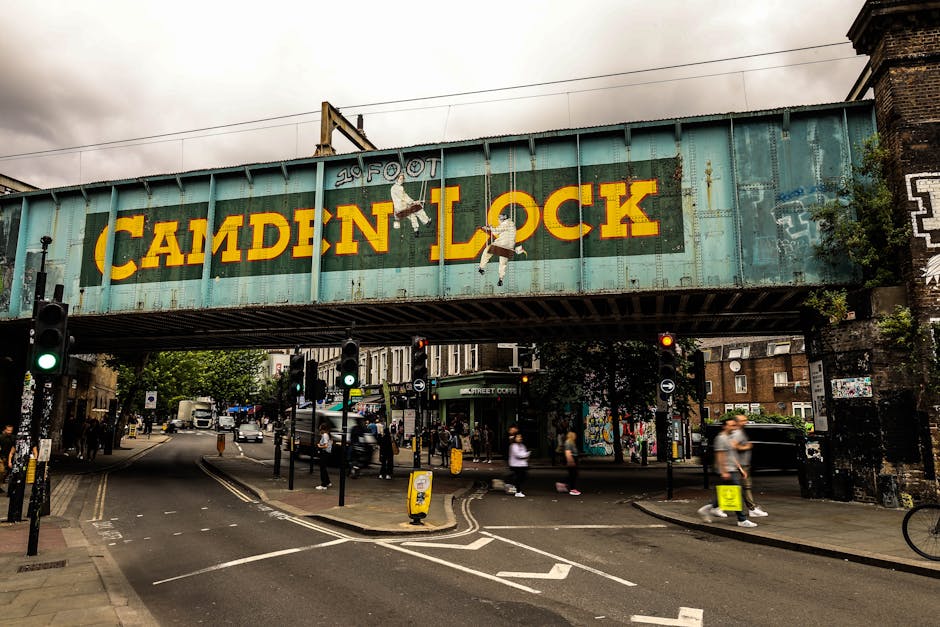
Removals in Clapham Junction easy access tips: a practical local guide for smoother moving days
Moving around Clapham Junction can be straightforward, but only if you plan for the area's real-life quirks: narrow residential streets, busy commuter traffic, limited stopping space, and the kind of access issues that turn a simple job into a stressful one very quickly. If you are looking for Removals in Clapham Junction easy access tips, this guide is designed to help you avoid the usual headaches and make the whole process feel more controlled. No drama, no guesswork, just the practical stuff that makes moving day run better.
Whether you are shifting a studio flat, a family home, or office furniture, access is often the difference between a calm move and a chaotic one. In and around Clapham Junction, a few small decisions - like where the van parks, how boxes are staged, and whether you've checked stair widths - can save a surprising amount of time. Let's get into it.
Why Removals in Clapham Junction easy access tips matters
Clapham Junction is busy in a way that feels constant rather than dramatic. Commuters, delivery vans, residents, and tradespeople all want the same spaces at roughly the same time. That matters because removals are not only about lifting and carrying; they are about timing, parking, access routes, and how much physical distance the team needs to cover between your front door and the van.
Easy access tips matter for one simple reason: moving time is money, and stress grows fast when access is awkward. If a van cannot park close enough, the team may need to use longer carries, more trips, or even a shuttle-style transfer. That is not always a problem, but it changes the job. It can also affect how safely furniture, fragile items, and boxes are handled.
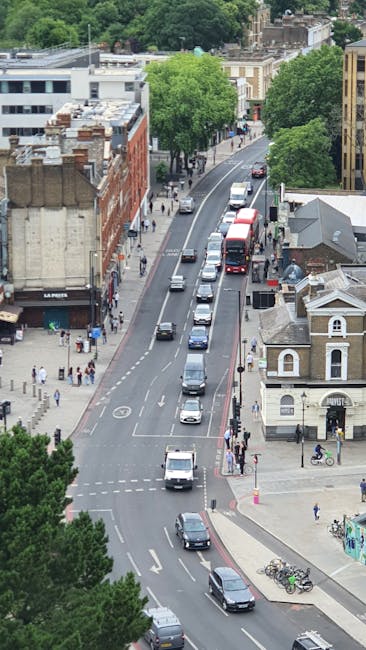
In Clapham Junction, the busiest pinch points are often less about the property itself and more about the street outside it. A well-prepared move can still be smooth on a road with limited stopping space, but only if you treat access as part of the plan from day one. If you have ever watched someone carrying a mattress down a tight staircase while a taxi waits behind a van with its hazards on... yes, that sort of day.
There is another reason this topic matters: access planning helps you choose the right removal support. For some people, a straightforward man and van Clapham arrangement is ideal. For others, a larger team or a more structured move through removal services in Clapham makes more sense. The better you understand the access challenge, the easier it becomes to match the job to the right method.
How Removals in Clapham Junction easy access tips works
At its core, an access-friendly move is about reducing friction. You want the route from property to vehicle to be as direct as possible, with as few obstacles as possible. That means planning around stairs, narrow hallways, parking restrictions, lift availability, loading bays, and any awkward corners in the building or street.
The process usually starts before moving day. You identify the access points: front door, rear entrance, shared hallway, lift, gate, steps, or courtyard. Then you think about vehicle positioning. Can the van stop nearby? Can it reverse safely? Will it block traffic if it waits? These are ordinary questions, but they make the day run properly.
For flats, access often depends on building layout as much as the road outside. A top-floor flat without a lift is manageable, but it needs a different pace and often better packing. If you are moving from a smaller property, a flat removals Clapham service may fit well because it is built around stairs, compact hallways, and quicker load patterns.
For houses, the main issue is often the threshold between home and street. Front gardens, tight paths, parked cars, bins, and steps can all get in the way. A house removals Clapham move may seem easy on paper, but the practical route still needs checking. Truth be told, a "simple house move" can be more awkward than a flat move if the front access is poor.
Once access is understood, the loading plan follows. The team should know which items come out first, where fragile pieces are kept, and whether anything needs dismantling. This is where packing and boxes in Clapham become more than just supplies; they are part of the access strategy because well-packed items are faster to move and easier to stack safely.
Key benefits and practical advantages
When access is planned properly, the benefits are immediate. The day feels less rushed, people make fewer mistakes, and the move is less likely to spill over into the afternoon. You may not notice the difference in five-minute increments, but by the end of the job it is usually obvious.
- Shorter carrying distances: fewer steps between your door and the van means less fatigue and fewer delays.
- Lower risk of damage: careful staging and good access reduce the chance of bumping walls, bannisters, or furniture.
- Better time control: moves with good access tend to stay on schedule more easily.
- Cleaner loading: items can be loaded in a more logical order rather than being shuffled around at the last minute.
- Less neighbour disruption: smooth access keeps the move quieter and less intrusive.
There is also a planning benefit that people often overlook. Once you have thought through access, it becomes much easier to decide whether storage, packing support, or a larger vehicle is needed. If your new place is not ready yet, storage in Clapham can help bridge the gap without crowding your living space.
For bigger or more delicate jobs, access planning protects specialist items too. For instance, a piano or large cabinet needs more than muscle. It needs clear routes, patient handling, and enough room to turn. That is why many households look at piano removals in Clapham or furniture removals Clapham when the move involves awkward, heavy pieces.
Who this is for and when it makes sense
This guide is useful for almost anyone moving in or out of the Clapham Junction area, but it is especially relevant if your property has restricted access, you are moving under time pressure, or your furniture is bulky. That said, even a "normal" move can benefit from a bit of access thinking. It is one of those things that looks optional right up until it saves the day.
You will probably find these tips most useful if you are:
- moving from a flat with stairs or no lift
- working around a busy street or limited parking space
- moving with children, pets, or other time-sensitive commitments
- dealing with large furniture, white goods, or breakables
- trying to complete a move in one day
- setting up an office or small business space
Students and renters often have the tightest access conditions because of shared entrances, narrow stairwells, and quick turnaround times. In those cases, student removals Clapham can be a practical choice because the job is usually smaller, but speed and organisation still matter.
Office moves are a bit different again. You may have more items, more coordination, and less room for error. If that sounds familiar, office removals Clapham can help with more structured timing and a cleaner handover.
Step-by-step guidance
If you want a move that feels under control rather than improvised, start here. The steps below are simple, but they work. Honestly, that is often the difference.
- Walk the route from room to van. Not once. Twice if possible. Notice doors that stick, low ceilings, tight corners, and shared hallways that might slow you down.
- Measure the awkward bits. Door widths, stair turns, lift dimensions, and large furniture sizes are the ones that cause trouble. You do not need a surveyor's notebook, just enough detail to avoid surprises.
- Check parking and stopping space. Figure out where the van can reasonably load without causing a bottleneck. In busy areas, this can be the make-or-break step.
- Decide what comes apart. Beds, tables, wardrobes, and shelving units often move better when dismantled. Keep screws and fittings in labelled bags. Sounds obvious, but people forget this all the time.
- Pack by weight and fragility. Heavy items should go in small boxes; light bulky items can go in larger ones. This makes carrying safer and less awkward.
- Create a staging area. Put items near the exit in the order they will be loaded. That way the removal team is not zig-zagging around the flat.
- Protect shared spaces. Use floor coverings or blankets where needed, especially if you are dealing with polished wood, tight hallways, or freshly painted walls.
- Keep essentials separate. Put keys, chargers, medication, documents, and a kettle box somewhere easy to reach. Moving day is not the time for treasure hunts.
- Confirm the plan with your mover. Let them know about access issues early. Good removal teams can adapt, but only if they know what they are dealing with.
If you are weighing up a smaller-scale move, a man with a van in Clapham may be enough. For larger or more complex jobs, it may be worth comparing the broader range of removal companies in Clapham before you decide.
Expert tips for better results
A few local-style tips can make an ordinary move feel much less painful. These are the details people usually only learn after one messy move too many.
Book the right time window. Early starts are often easier because streets are quieter and lift access is simpler. Later in the day, everything seems to get busier. That includes neighbours deciding it is the perfect time to park right outside your building. Of course.
Use one person as the access lead. This person should know where the keys are, which items are fragile, and who is answering questions from the moving team. Too many voices on moving day can slow things down.
Label by destination room. Instead of just writing "kitchen," add short notes like "kitchen - glasses" or "bedroom 2 - bedding." It helps the unloading sequence feel much more organised.
Have a plan for the awkward furniture first. The items most likely to cause trouble should be thought through before everything else. That includes sideboards, mattresses, wardrobes, and anything with an awkward angle.
Keep a backup plan. If the van cannot park exactly where you wanted, what happens next? If the lift breaks, who do you call? It sounds a bit pessimistic, but a calm backup plan is better than panic with a stopwatch running.
And one more thing: if the move is genuinely urgent, do not pretend it is not. Sometimes the smart move is to use same-day removals in Clapham rather than trying to squeeze a big change into a schedule that is already too tight.
Common mistakes to avoid
Most access problems are predictable. That is the annoying part. But the upside is that they are usually avoidable if you slow down for five minutes and check the obvious things.
- Ignoring the street outside: people often focus on the property and forget the parking reality.
- Underestimating staircases: one long flight can add more time and strain than expected.
- Packing boxes too heavy: heavy boxes may look neat, but they are miserable to carry and easy to drop.
- Not measuring large items: wardrobes and sofas can become a problem at the last door, which is frustrating for everyone.
- Leaving packing until the morning: this is how small problems become big ones.
- Failing to warn the mover: if access is tight, say so in advance. It is not a confession; it is useful information.
- Forgetting insurance and safety questions: if an item is delicate or high value, check how it will be handled and protected.
One common mistake deserves special mention: using the wrong kind of packing for the job. If you are moving books, crockery, or mixed household items, the box format matters more than people think. That is why a bit of planning around removal van options in Clapham and packing method can pay off quickly.
Tools, resources and recommendations
You do not need fancy equipment to get access right, just the right basics. A tape measure, labelled bags, strong tape, furniture blankets, and a couple of permanent markers will do a lot of the heavy lifting. Literally, in some cases.
It also helps to use the services and information that support a more organised move. For example, if you want to understand the broader range of moving support available, the services overview is a sensible place to start. If you are comparing costs and want to avoid last-minute surprises, pricing and quotes is worth checking before you commit.
For moves where cashless payment and booking confidence matter, payment and security can help set expectations clearly. And if you are the sort of person who likes to know how a company handles waste and reusables, recycling and sustainability is a useful read because removals can generate more packaging than people expect.
Here is a practical mini-toolkit:
- tape measure for doors, stair turns, and furniture dimensions
- labels or coloured tape for room coding
- zip bags for screws, brackets, and fittings
- sturdy boxes in a few sizes
- blankets or covers for sofas and fragile frames
- phone charger and power bank for the moving day chaos
It is worth adding one more resource to the list: a clear communication line with your movers. A good move is often less about brute force and more about clear information. That part is easy to underestimate.
Law, compliance, standards and best practice
For removals, the main compliance concerns are safety, access, transport handling, and clear customer communication. You do not need to become a legal expert to move house, but you should expect any professional mover to work in a way that is careful, transparent, and consistent with UK health and safety expectations.
From a practical point of view, best practice usually includes sensible manual handling, safe loading, clear insurance arrangements, and honest communication about any access limitations. If a mover asks the right questions, that is a good sign. They are trying to prevent damage and avoid unsafe carrying conditions, which is exactly what you want.
It is also reasonable to expect clear terms and conditions, especially if timings, access, cancellations, or changes are involved. If you are unsure how a mover manages this side of the job, read the relevant policy pages carefully, including terms and conditions, insurance and safety, and health and safety policy.
For people who need reassurance around ethical operations, it can also help to review business information such as about us, modern slavery statement, and complaints procedure. These pages are not glamorous, but they do tell you a lot about how a business is run. And yes, the boring pages are often the trustworthy ones.
If accessibility is part of your decision-making, especially for shared entrances or users with mobility needs, the accessibility statement is a sensible place to check how the company thinks about inclusive service delivery.
Options, methods and comparison table
Not every move needs the same approach. The best choice depends on access, volume, time pressure, and how much help you actually want on the day.
| Method | Best for | Access advantage | Trade-off |
|---|---|---|---|
| Man and van | Small to medium moves, quick turnarounds | Flexible parking and easier adaptation to tight streets | May be less suitable for larger or more complex jobs |
| Flat removals | Apartment moves with stairs or lifts | Designed around compact access and stair handling | May still need extra planning for parking restrictions |
| House removals | Full household moves | Good for larger loads and structured packing | Can require more loading time if driveway or frontage is awkward |
| Office removals | Workspaces, desks, IT, files | Useful for scheduled access and staged loading | Needs careful coordination with building rules and timings |
| Storage plus removals | Delays, phased moves, downsizing | Reduces pressure when access is tight on both ends | Adds an extra handling step |
In Clapham Junction, the most practical option is often the one that reduces walking distance and keeps the loading route simple. That sounds obvious, but it is the bit that many people miss while they are focused on the biggest price tag.
Case study or real-world example
A typical local move might look like this. A couple in a first-floor flat near Clapham Junction has a narrow stairwell, a shared entrance, and no realistic place for a large van to wait for long. They have a sofa, a dining table, a mattress, and a dozen boxes. Nothing outrageous, but enough to go wrong if the plan is vague.
Before moving day, they measure the sofa, dismantle the table legs, label boxes by room, and clear the hallway. They also decide which side of the road gives the van the best access and tell the movers about the staircase in advance. On the day itself, the job is still busy - it would be odd if it were not - but it is controlled. No frantic rearranging, no panic about whether the mattress will fit through the turn, and no one standing in the doorway trying to remember where the kettle box is.
The useful lesson here is not that everything went perfectly. It is that the move was made easier by small, sensible decisions made before anyone touched a box. That is the real shape of easy access tips. Not magic. Just good preparation.
For people dealing with unusual furniture or awkward pieces, the same approach applies. If you need help with oversized items, it can be worth focusing on specific support such as furniture removals in Clapham rather than treating everything as a standard load. Specific problems usually need specific planning.
Practical checklist
Use this before moving day if you want to avoid the last-minute scramble. It is not glamorous, but it works.
- Measure doors, stair turns, and any tight corners
- Confirm where the van can stop safely
- Check lift access, building rules, and entry codes
- Split heavy items into manageable boxes
- Dismantle large furniture where sensible
- Label boxes by room and priority
- Keep essentials in a separate bag
- Protect floors, bannisters, and shared hallways
- Tell the removal team about access issues early
- Keep contact details and key documents easy to reach
- Have a backup plan if parking or lift access changes
- Check insurance, terms, and payment details in advance
Expert summary: the smoothest removals in Clapham Junction are usually not the fastest-looking ones. They are the ones where access has been thought through properly, the route is simple, and the movers are not being surprised at the kerbside. That is the whole game, really.
Conclusion
Good access planning turns removals in Clapham Junction from a stressful guess into a manageable process. Start with the route, think about parking, respect the stairs, and pack in a way that makes loading easier rather than harder. If you do those things, the move becomes much more predictable - and predictability is underrated on moving day.
You do not need to make every part perfect. You just need to remove the avoidable problems. A little preparation, a clear plan, and the right moving support can make a genuinely noticeable difference. To be fair, that is what most people want anyway: fewer surprises and a calmer finish.
If you are comparing service levels, planning a bigger move, or checking how a local provider handles access, use the information pages and service pages carefully and choose the option that fits your home, not just your calendar. The best move is the one that leaves you feeling settled, not rushed.
Get a free quote today and see how much you can save.
And once the last box is in, the flat has stopped echoing, and the kettle is back on, that first quiet cup of tea feels properly earned.
Frequently Asked Questions
What are the best easy access tips for removals in Clapham Junction?
The best tips are to measure the route, check parking in advance, dismantle large furniture where needed, label boxes clearly, and tell your mover about any stairs, lifts, or tight entrances before moving day.
Why is access such a big issue in Clapham Junction?
Because the area is busy, parking can be tight, and many homes and flats have shared entrances or narrow stairwells. Even a short carry distance can become a problem if the van cannot park nearby.
Should I choose a man and van or a full removal service?
It depends on the size of the move and how awkward the access is. A smaller move with straightforward loading may suit a man and van, while bigger homes, offices, or difficult access usually benefit from a fuller service.
How do I know if my flat has difficult access?
If there is no lift, the stairwell is narrow, parking is limited, or the entrance has awkward turns, you probably have more access challenges than you first think. Walking the route once before the move usually makes this obvious.
What should I do if parking is limited outside my property?
Plan the stopping point early, tell your movers, and think about the shortest safe carry route. If necessary, allow extra time for loading so the team is not rushing or blocking the street unnecessarily.
Can access issues make removals more expensive?
Sometimes, yes. Extra carrying distance, more time, and more handling can all affect the job. The easiest way to avoid surprises is to describe the access accurately when requesting a quote.
How far in advance should I book removals for a Clapham Junction move?
As early as you can, especially if you need a specific time slot or have tricky access. Busy periods fill up fast, and a rushed booking often leads to a rushed move.
What items need extra care on access-heavy moves?
Large wardrobes, sofas, pianos, glass furniture, and anything heavy or fragile should be planned carefully. These items can be moved safely, but only if the route and handling method are considered first.
Do I need to dismantle furniture before the movers arrive?
Not always, but it often helps. Beds, tables, shelving, and some wardrobes move more easily when broken down into manageable parts. If in doubt, ask your mover what they recommend.
What if I need storage before or after the move?
Storage can be a very sensible option if access is tight at one property or if your dates do not line up neatly. It reduces pressure and gives you more flexibility on the moving schedule.
How can I keep my move safe in shared hallways and stairwells?
Protect floors and corners where possible, keep pathways clear, and avoid stacking items in communal areas. Clear communication with the moving team is the simplest safety measure of all.
What paperwork or policies should I check before booking?
Look at terms and conditions, insurance and safety information, payment details, and any health and safety guidance. These pages help you understand how the company works and what to expect if plans change.